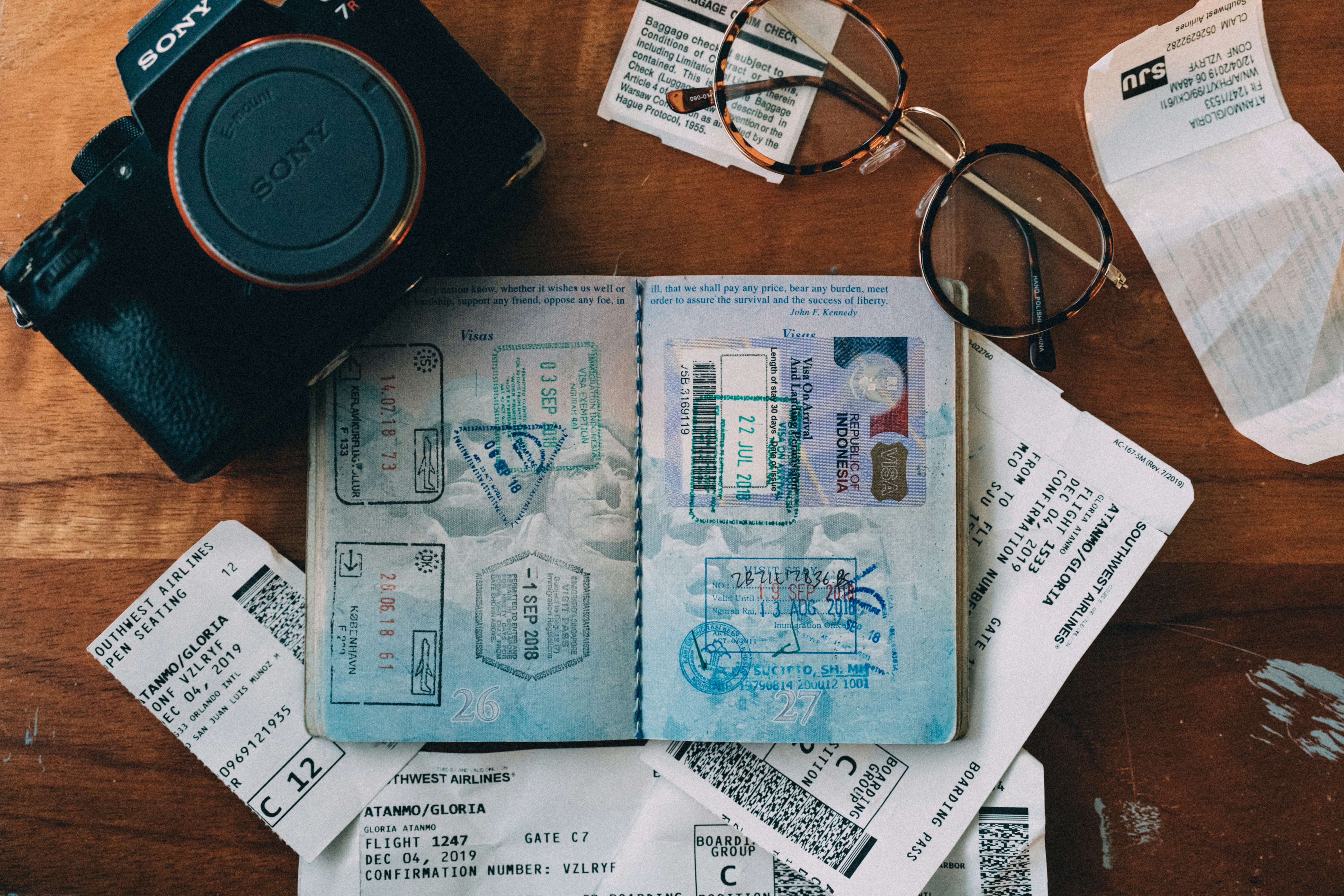
A flight from the United States to India is one of the longest journeys in commercial aviation — typically 14 to 18 hours of flying time, often with a connection. Before you book, understanding your routing options, transit requirements, and baggage rules can save you time, money, and stress.
Routing Options from the USA
Most flights from the USA to India involve at least one connection. A small number of routes offer non-stop service, primarily from major gateway cities.
Non-Stop Routes
Non-stop flights between the USA and India are limited. Air India operates direct services from New York (JFK) and Chicago (ORD) to Delhi (DEL), and from San Francisco (SFO) to Delhi and Mumbai. These are the most convenient options if you can access these departure cities.
One-Stop Connections
The majority of USA–India itineraries involve a single connection through a hub in Europe or the Middle East. Common connection points include:
- Dubai (DXB) — Emirates, flydubai
- Abu Dhabi (AUH) — Etihad Airways
- Doha (DOH) — Qatar Airways
- London Heathrow (LHR) — British Airways, Virgin Atlantic
- Frankfurt (FRA) — Lufthansa
- Amsterdam (AMS) — KLM
- Paris (CDG) — Air France
Middle Eastern hubs tend to offer the most competitive fares and frequent connections to a wide range of Indian cities. European hubs can be a good option if you prefer a longer layover or want to add a European stopover.
Transit Visa Requirements
Whether you need a transit visa depends on your nationality, the country you are connecting through, and the duration of your layover.
Important Note
Transit visa rules change frequently. Always verify current requirements with the relevant embassy or consulate before booking. This guide provides general information only and should not be relied upon as legal or immigration advice.
UK Connections
If you hold an Indian passport and are connecting through a UK airport, you may need a Direct Airside Transit Visa (DATV) even if you do not leave the international transit area. Check the UK government website for current requirements.
Schengen Connections
Connecting through Germany, France, the Netherlands, or other Schengen countries may require an airport transit visa depending on your nationality. Indian passport holders should verify requirements before booking.
Middle East Connections
Connections through Dubai, Abu Dhabi, and Doha generally do not require a transit visa for Indian passport holders, provided you remain in the international transit area. However, if you plan to leave the airport during a long layover, you may need a transit or visit visa.
Baggage Rules to Know
Baggage allowances on USA–India routes vary significantly by airline, fare class, and whether your itinerary involves multiple carriers.
Economy (most carriers)
1–2 checked bags, 23 kg each
Business Class
2–3 checked bags, 32 kg each
Carry-on
7–10 kg, one personal item
Excess baggage
Charged per kg or per piece
When your itinerary involves two different airlines — for example, a US carrier to a European hub and then an Indian carrier onward — the baggage rules of each airline apply separately. Always confirm the allowance for every segment before packing.
Which US Airport to Fly From
Your choice of departure airport can significantly affect your total journey time, fare, and connection options.
New York (JFK/EWR)
One of the best-connected US cities for India. Non-stop options available. Strong competition keeps fares competitive.
Chicago (ORD)
Good hub with non-stop Air India service to Delhi. Also well-served by European and Middle Eastern carriers.
San Francisco (SFO)
Non-stop service to Delhi and Mumbai available. Ideal for West Coast travelers.
Los Angeles (LAX)
Strong connections via Middle Eastern hubs. Good option for Southern California travelers.
Dallas (DFW)
American Airlines hub with good connections to European and Middle Eastern hubs.
Houston (IAH)
United hub with connections to India via European and Middle Eastern carriers.
Best Time to Book
USA–India fares follow predictable seasonal patterns. Understanding these can help you plan your booking window.
Peak Season
Nov–Jan, May–Jun
Diwali, Christmas, summer holidays. Book 3–5 months ahead.
Shoulder Season
Feb–Mar, Sep–Oct
Good availability and moderate fares. Book 6–10 weeks ahead.
Off-Peak
Jul–Aug
Monsoon season in India. Often the most affordable fares.
Tips for a Smooth Journey
Check your passport validity
India requires your passport to be valid for at least six months beyond your intended stay.
Arrange your Indian visa early
e-Visa is available for most nationalities but apply at least 4–7 days before travel. Processing times can vary.
Confirm your connection time
Allow at least 2 hours for connections in busy hubs. Some airports require longer for international-to-international transfers.
Carry medications in hand luggage
Keep essential medications in your carry-on with original packaging and a prescription if possible.
Notify your bank
Inform your bank of your travel dates to avoid card blocks when using ATMs or making purchases in India.
Download airline apps
Most airlines allow mobile check-in and boarding passes, which can save time at busy airports.
Planning a USA to India Trip?
Share your travel details and a Himalaya Travel Solutions specialist will help you find the best available routing and fare options.